Barcelona, European capital of sport and international competition
The city is consolidating an ecosystem linked to high-level physical activity, supported by historic clubs, infrastructure that emerged from the 1992 Games, and an urban offering that integrates professional practice, events, and outdoor life

Over the past few decades, Barcelona has established itself as one of Europe's leading sporting centers. Its international standing rests on a unique combination of tradition, urban planning, and infrastructure, enabling it to host top-level competitions and sustain a vibrant sporting culture deeply integrated into the city's daily life.
The prominence of FC Barcelona
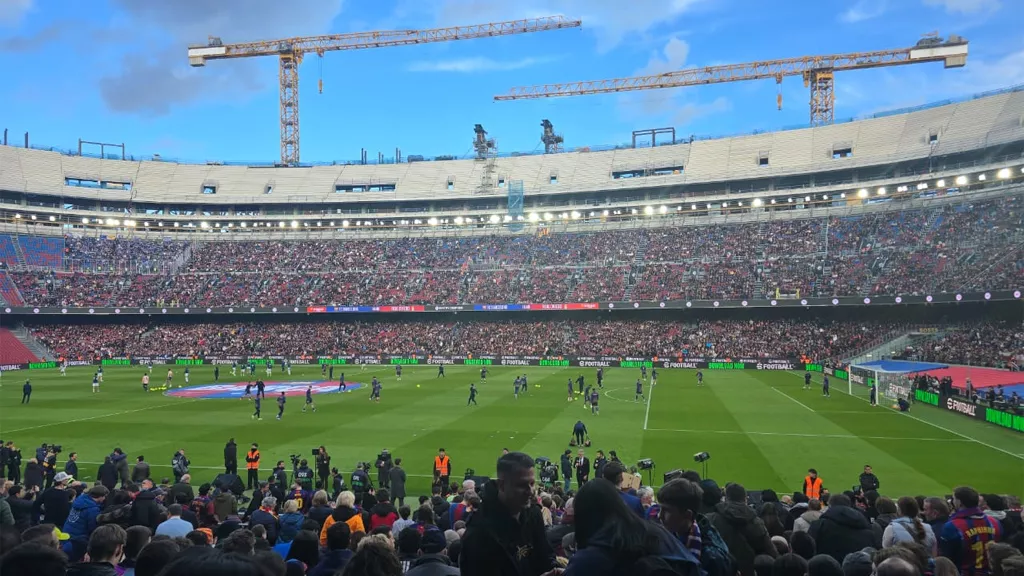
FC Barcelona is one of the cornerstones of sport in the city. Founded in 1899, the club has established itself as a multi-sport institution with a global reach, boasting a prominent presence not only in professional football but also in disciplines such as basketball, handball, roller hockey, and futsal.
Its facilities, most notably the Camp Nou and the Palau Blaugrana, are iconic symbols of Spanish sport and a constant attraction for competitions, events, and high-performance activities.
Source: Travel2latam
The Olympic Village and the legacy of 1992
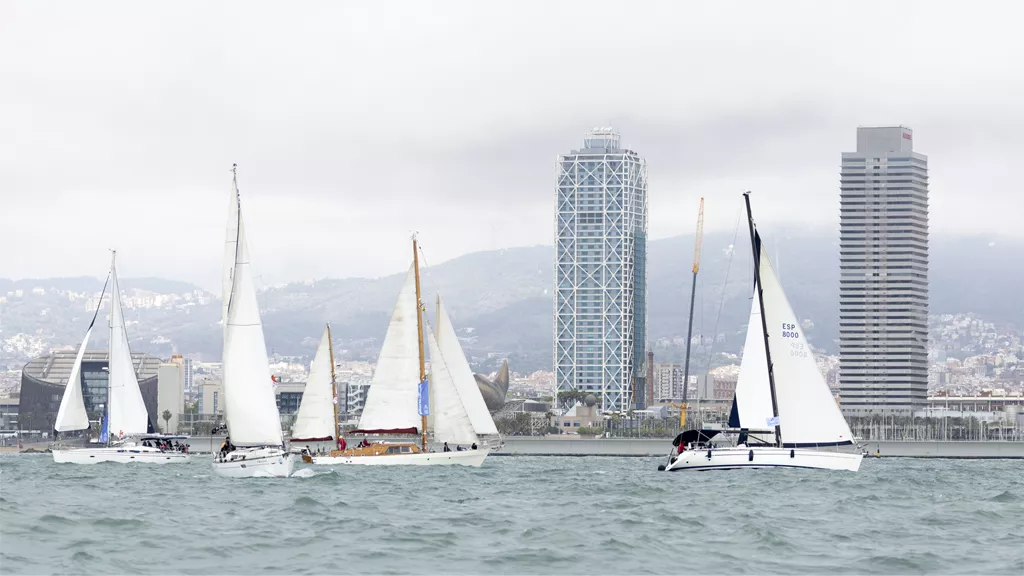
The 1992 Olympic Games marked a turning point in Barcelona's urban and sporting history. The Olympic Village, developed to house the athletes, was later transformed into a space integrated with the waterfront, where residential areas, marinas, and zones for recreational and nautical activities coexist.
This area symbolizes the city's Olympic heritage and its capacity to repurpose sports infrastructure as an active part of the urban fabric.
Source: Barcelona Turisme
Montjuïc and the major sports infrastructures
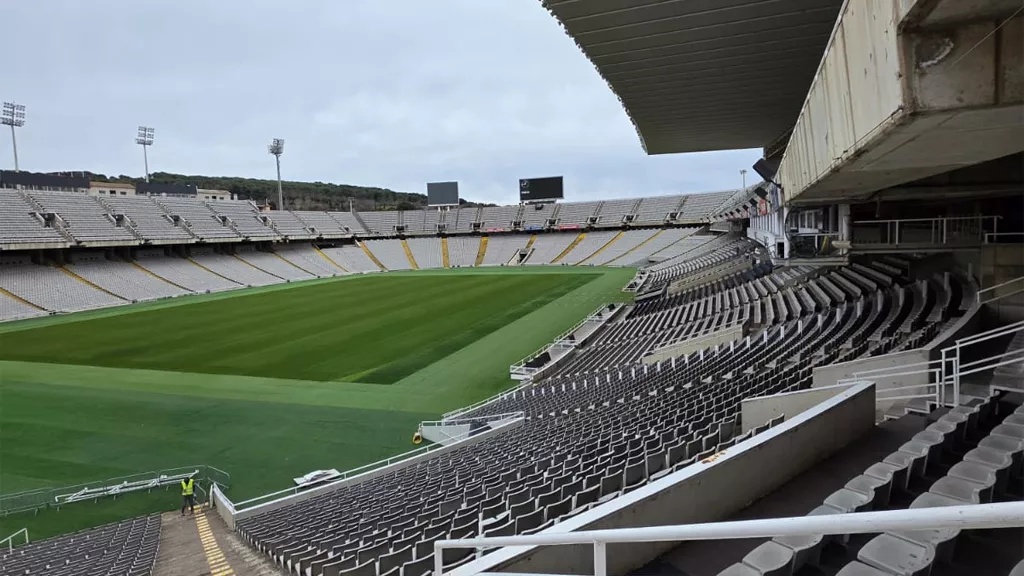
Montjuïc mountain is home to some of Barcelona's most iconic sporting venues. The Estadi Olímpic Lluís Companys, the main venue for the 1992 Games, remains a key location for sporting and cultural events, while the Montjuïc Olympic Swimming Pools maintain their importance as a venue for international competitions and public events.
Together, these facilities reinforce Barcelona's image as a city well-prepared to host large-scale events.
Source: Travel2latam