
Barcelona is internationally renowned for its architecture, which reflects centuries of historical evolution and a constant capacity for innovation. Its urban landscape is the result of the layering of styles, eras, and visions that engage in dialogue with one another, from Roman and medieval layouts to the boldest expressions of contemporary design.
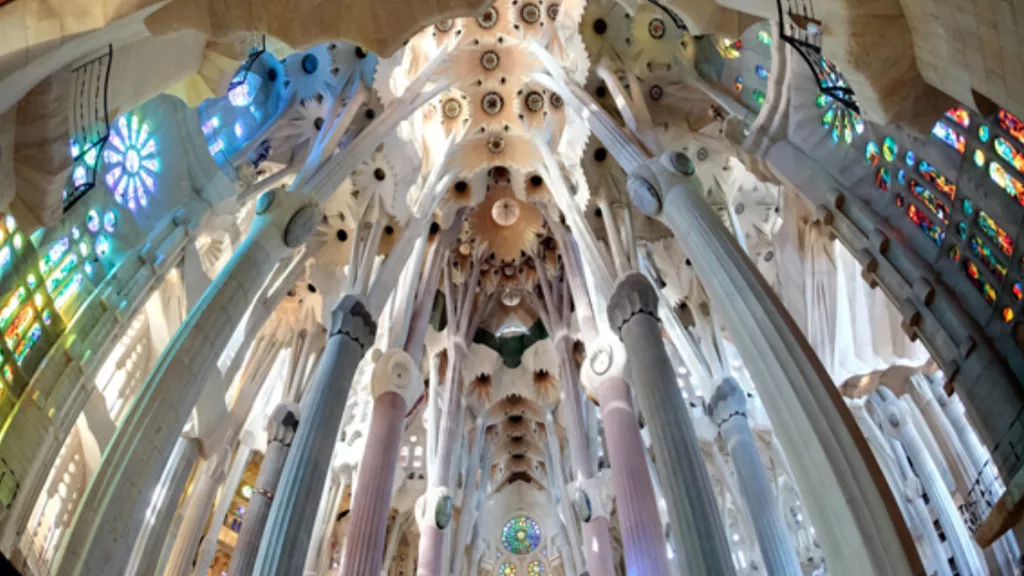
Catalan Modernism is one of the city's most recognizable pillars. Emblematic works by Antoni Gaudí, such as the Sagrada Familia, Casa Batlló, and La Pedrera, transformed traditional architectural language through the use of organic forms, innovative structural solutions, and a profound inspiration from nature. This movement, shared by architects like Lluís Domènech i Montaner and Josep Puig i Cadafalch, consolidated Barcelona as one of the great centers of European Modernism.
Source: Barcelona Turisme
The urban planning of the Eixample district, designed by Ildefons Cerdà in the 19th century, represents another fundamental milestone. Its orthogonal grid, designed to improve ventilation, natural light, and mobility, introduced a model of modern city that still structures much of urban life today. The residential buildings of the Eixample combine functionality with ornamental richness, especially in their Modernista façades.
Contemporary architecture also occupies a central place in Barcelona's identity. The urban transformation spurred by the 1992 Olympic Games reshaped areas such as Montjuïc and the waterfront, incorporating sports facilities, public spaces, and new architectural typologies that strengthened the relationship between the city and the sea. In recent decades, projects by international architects have added new layers to the urban landscape, integrating technology, sustainability, and design.
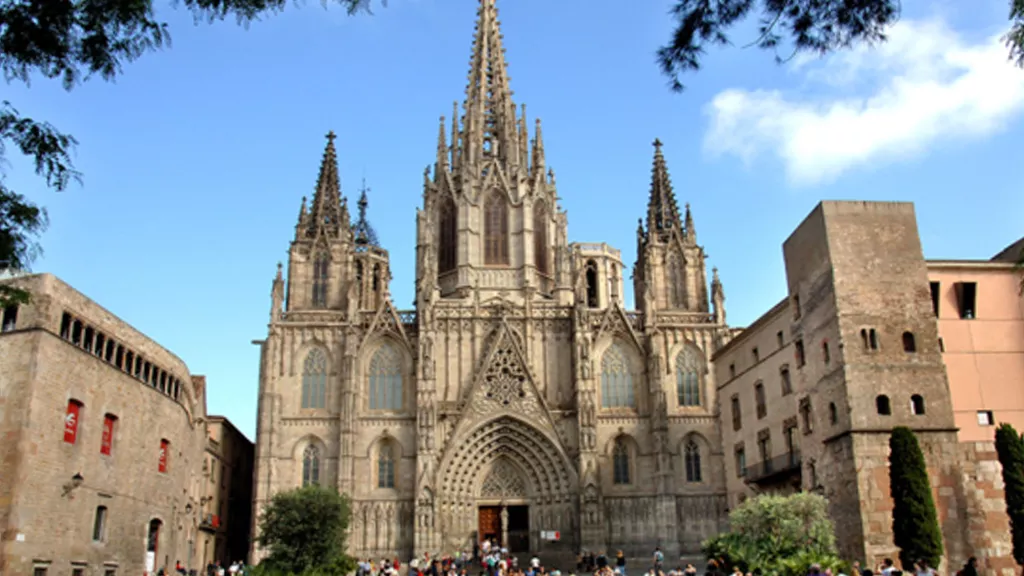
The historic center, with neighborhoods like the Gothic Quarter and El Born, preserves medieval architecture that coexists with carefully integrated contemporary interventions. Churches, palaces, squares, and narrow alleyways reveal the city's historical dimension and its capacity to preserve its heritage without sacrificing renewal.
Source: Barcelona Turisme
Through this coexistence of past and present, Barcelona has built a unique architectural identity. The city presents itself as an urban laboratory where architecture not only defines physical space but also expresses a way of understanding culture, innovation, and urban life in the Mediterranean.