
Barcelona is distinguished by its broad and diverse culture, which manifests itself in a decentralized manner throughout its urban area. The city is organized into ten districts and more than seventy neighborhoods, each with its own distinct identity that contributes social, historical, and creative nuances to the urban whole. This territorial structure allows us to understand culture as a pervasive phenomenon, present both in institutional spaces and in community life.
Historical heritage is one of the fundamental pillars of this framework. Vestiges of Roman and medieval origin coexist with cultural expressions that emerged throughout the 19th and 20th centuries, forming a legacy that is expressed in buildings, archives, museums, and popular traditions. This past remains alive through cultural practices that reinforce collective memory and local identity.
Source: Barcelona Turisme
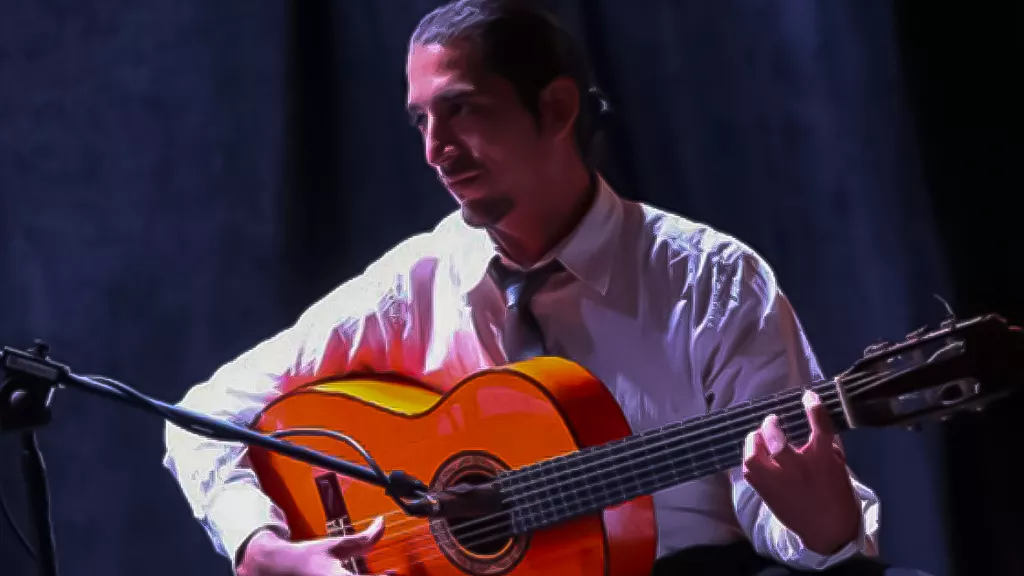
The neighborhood dimension plays a central role in the city's cultural life. Each district develops its own initiatives related to the performing arts, music, audiovisual media, design, and community expression, fostering a territorial distribution of cultural activity. This approach promotes social participation and strengthens the link between artistic creation and the urban environment.
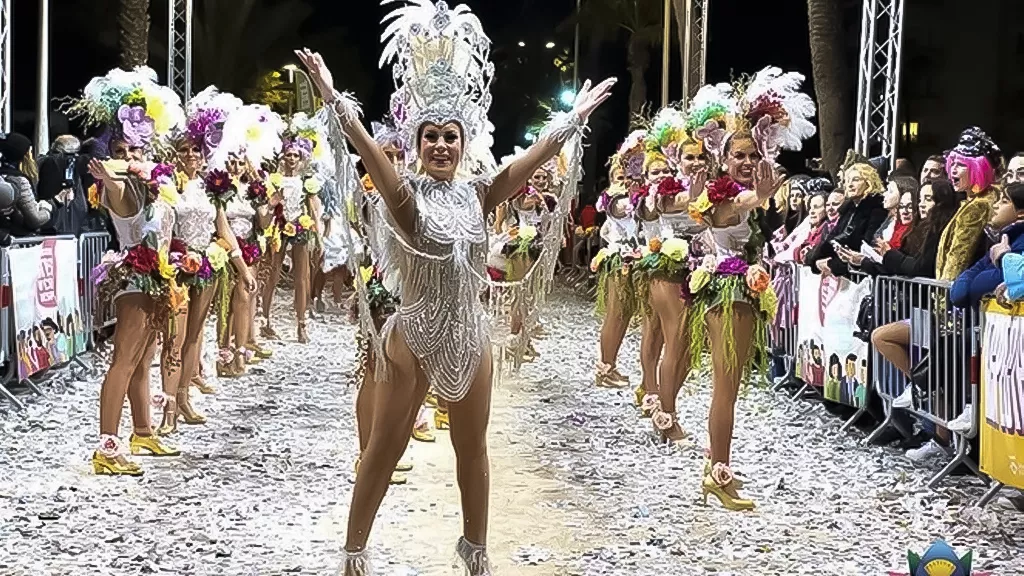
Cultural traditions hold a prominent place in Barcelona's identity. This foundation is complemented by a calendar of events that structures the city's cultural life. Throughout the year, Barcelona hosts internationally renowned celebrations and festivals that bring together music, performing arts, literature, and popular culture. Among these are the Barcelona Carnival , with its strong neighborhood and participatory character; La Mercè , the city's main festival; the Grec Festival , dedicated to contemporary performing arts; Sónar , focused on electronic music and digital creativity; and Primavera Sound , a benchmark on the global music circuit. These events solidify the city's position as a vibrant cultural hub, capable of combining tradition, innovation, and artistic diversity in various urban spaces.
Source: Barcelona Turisme
In parallel, Barcelona maintains a dynamic contemporary cultural scene, driven by cultural centers, independent spaces, and collaborative projects that foster experimentation and innovation. These initiatives solidify the city's position as a hub of active cultural production, capable of integrating new narratives and artistic languages.
From this coexistence between tradition, contemporary creation and urban life, Barcelona builds a complex and constantly evolving cultural identity, where culture acts as a structural factor of social cohesion, symbolic expression and international projection.