Florida Reef Life Awaits Snorkelers at Dry Tortugas National Park
A remote destination where marine biodiversity and underwater landscapes create a unique experience for snorkeling enthusiasts

After visiting Dry Tortugas National Park, Florida outdoors author Jeff Klinkenberg had to ask:
“How would you, a 21st-century pilgrim, survive where time is meaningless?”
Source: VISIT FLORIDA
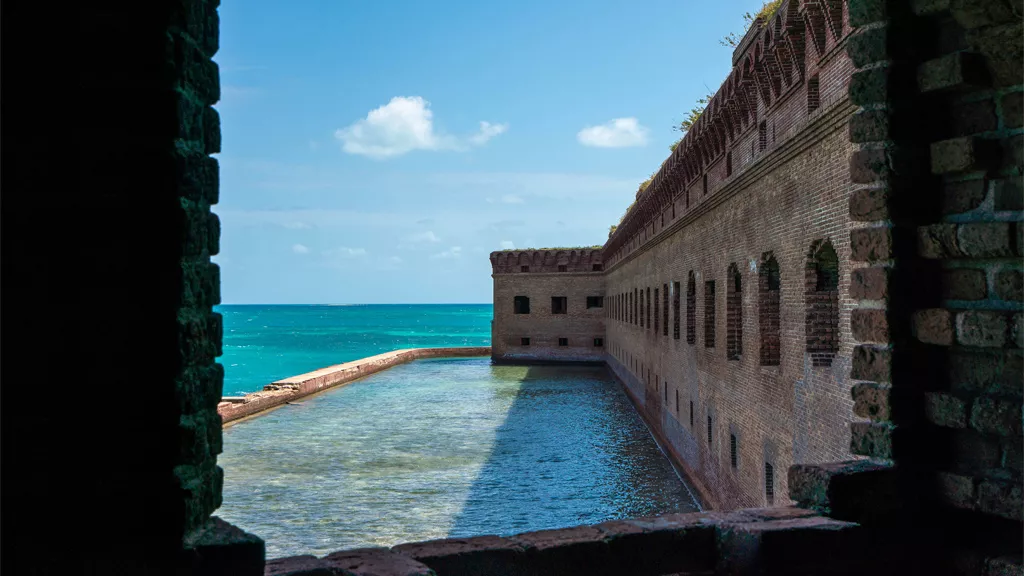
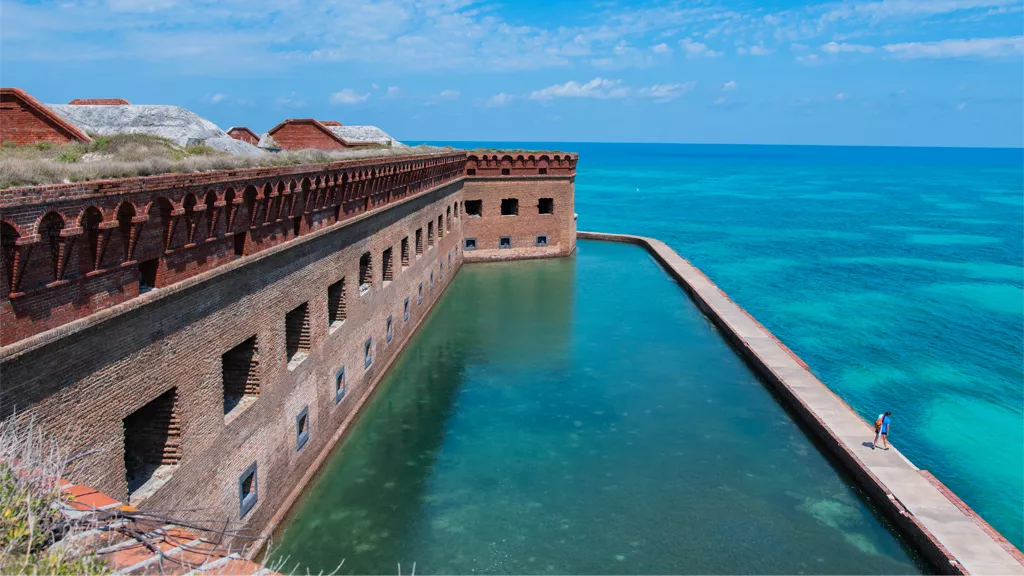
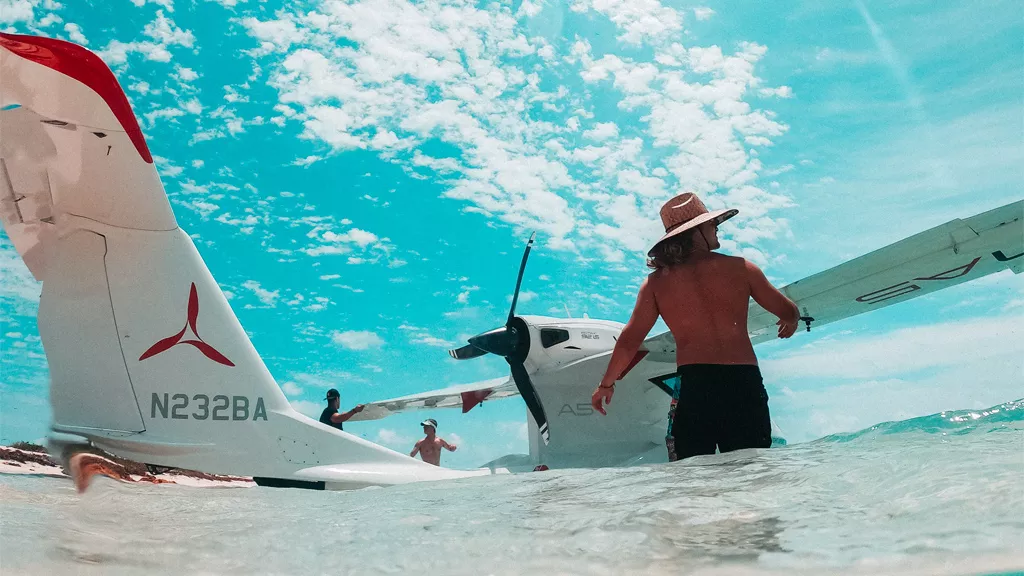
The United States’ southernmost park, 70 miles due west from the Key West, is reachable only by boat or seaplane. And “park” is misleading here; the Dry Tortugas are seven small islands dotting 100 square miles of open water. Fort Jefferson, a Civil War-era fort and prison, is a stunning brick-red anomaly in a vast turquoise sea. Campers are welcome if you like remote and being on your own. Phones are useless here.
Source: VISIT FLORIDA
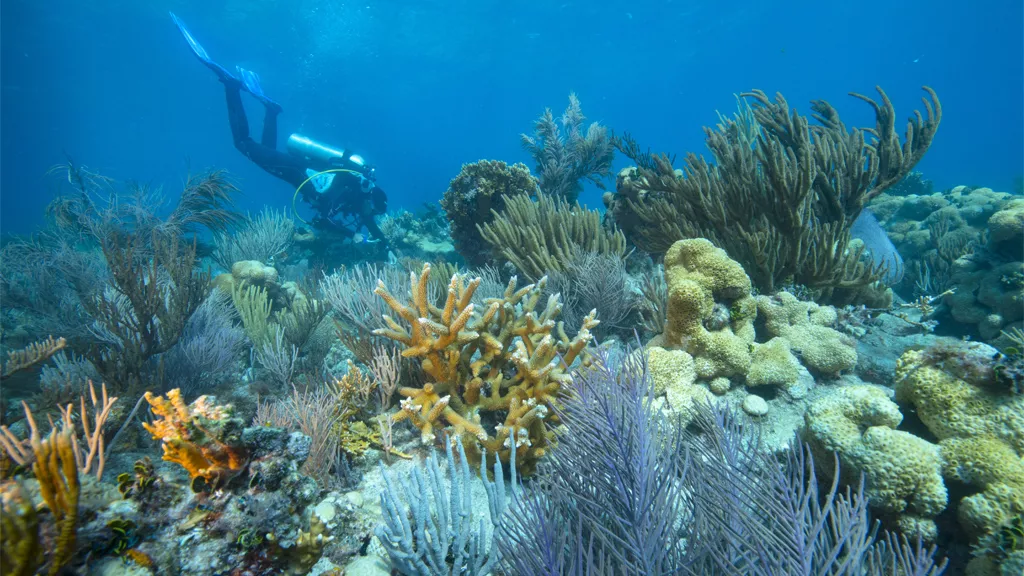
But below the surface of the Gulf of America, life erupts.
Here is the third-largest barrier reef in the world. Welcome to a world of coral reef heads and shipwrecks, barracuda and nurse shark, spiny lobster, and all colors and manner of tropical fish.
Water depths are typically 4-7 feet, suitable for all snorkelers, and the popular reefs have names: Little Africa, Texas Rock, and Pulaski Shoals which, in the days before navigational aids, claimed many ships. Their remains are scattered here.
Source: VISIT FLORIDA
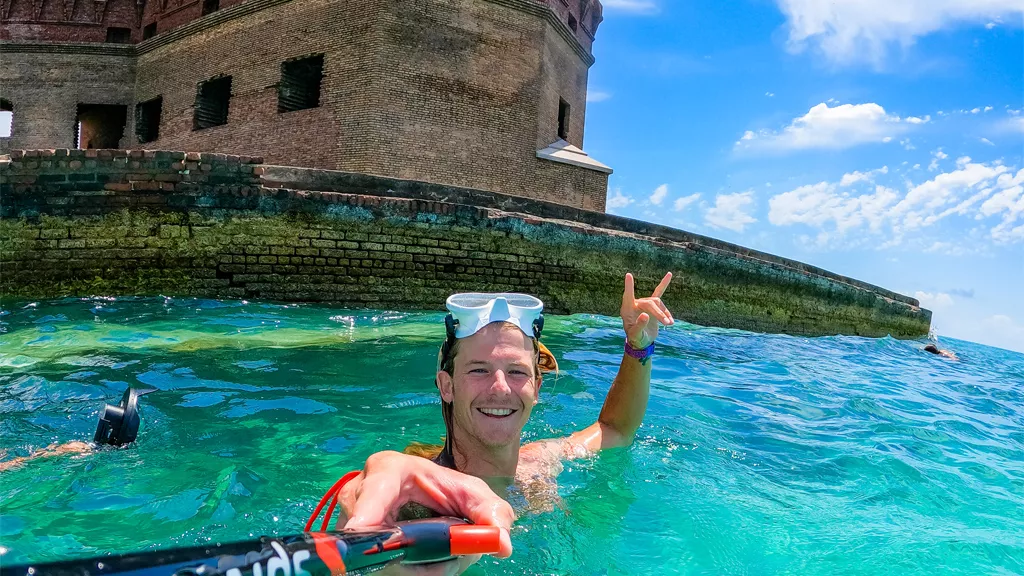
For campers at the fort on Garden Key, extraordinary snorkeling is available along the exterior of the moat wall, where an octopus scouring for shellfish can be a common sight. The National Park Service recommends daytime diving along the wall to capture underwater vistas, and then snorkel again at night for more intimate discoveries.